

The BMA is calling on the Scottish Government to scrap plans which would see the number of health boards slashed from 14 to just two.
Nóra Murray-Cavanagh, chair of the BMA Scottish council, warned it was the ‘wrong set of reforms’ and that doctors were feeling ‘real anxiety’ about the effect on patients, colleagues and services if they went ahead.
Dr Murray-Cavanagh acknowledged NHS reform in Scotland was necessary – but this planned reorganisation would be costly, time consuming and resource sapping. She said members of Scottish council had set out with ‘passion and precision’ the many concerns about what the reduction of boards would mean for them and the people they care for.
‘At the core of everything is the lack of any evidence on how these reforms will practically make care better,’ she said.
‘Services being organised on a much larger scale may mean patients have to travel further for the care they need. This could negatively impact patients in rural and remote areas, older people, those on lower incomes and those without access to private transport or wider support and runs the risk of widening already deep and pernicious health inequalities.
‘Of particular concern is the impact of the centralisation of governance and potentially services that moving to two boards covering vast swathes of the country will inevitably mean. Consolidation on this scale will weaken local accountability, and the ability to make decisions which reflect the needs of specific communities and all the complexity and nuance which comes with that.’
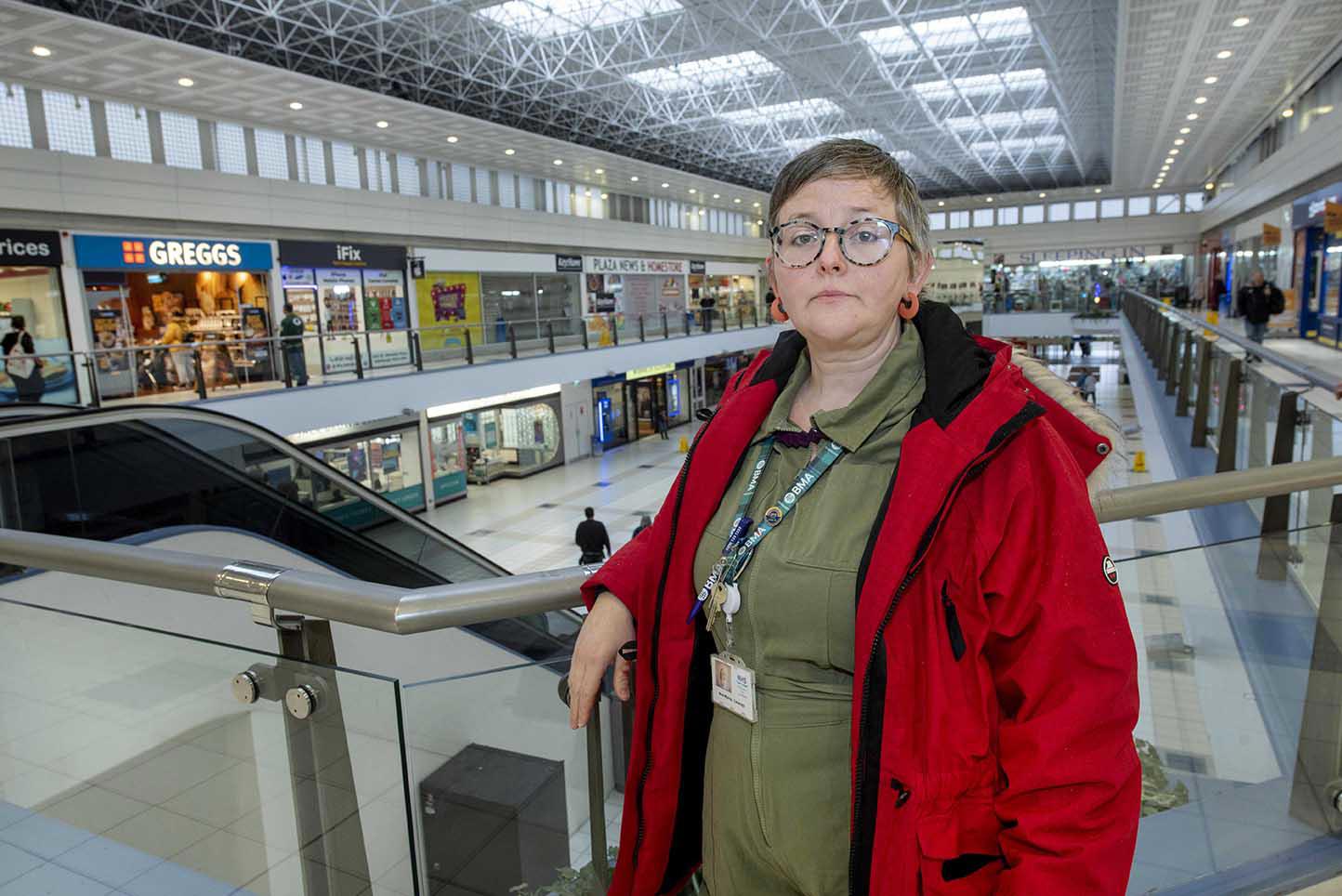 MURRAY-CAVANAGH: Planned reorganisation would be costly
The Scottish Government announced last month in its programme for government that it planned to cut the number of territorial health boards from the current 14 to two, covering the east and west of the country, with separate plans being considered for the island boards (Shetland, Orkney and Western Isles).
First minister John Swinney said it was the most significant structural reform of the NHS in the devolution era, and that it would free up more capacity in the system.
Dr Murray-Cavanagh said the lack of engagement or consultation before the announcement created the serious concern that these reforms would be bulldozed through, without proper consideration and input, from those working in the NHS and the public.
‘This is far too important for that to happen, and the BMA will do everything within our gift to ensure that we are able to contribute effectively to the engagement that we are promised will take place. Indeed, I have already had a constructive discussion with the Cabinet secretary to make that point, and have received reassurances, although we wait to see what these encouraging words translate to in reality.’
She urged the Scottish Government to ‘wipe the slate clean’ and work with the public and organisations across Scotland to design something better.
‘Ministers need to remove the preconception that two health boards is the right approach and work with us and others with an open mind on what the most appropriate future structure for the NHS in Scotland is and how to really make a difference for patients.’