

The BMA has expressed its disbelief at the Government’s recommendation of a below inflation pay rise for doctors for 2027/28.
The association has warned that a proposed pay increase of just 2.4 per cent for all doctors in 2027/28 will exacerbate the NHS’s existing staffing shortages and further undermine the health service’s ability to deliver care. The warning comes after the Government released its recommendation on 19 October to the Review Body on Doctors' and Dentists' Remuneration for the pay award it will announce next year.
In its report, the Government acknowledged that, while improvements to the access and delivery of care had been made over the past 12 months, the precarious state of finances meant it was unable to recommend more than a 2.4 per cent uplift.
It said: ‘This evidence recognises the progress made over the past year, including improvements in access to NHS services, signs of recovering public confidence in the NHS, and the delivery of reform and pay awards within departmental budgets without recourse to the reserve.
‘However, significant financial and workforce challenges remain, and further progress will require continued productivity gains and careful prioritisation of public finances.’
Healthcare delivery
It added: ‘DHSC [Department of Health and Social Care] has developed financial and delivery plans that currently plan for a pay uplift of 2.4 per cent without having to make trade-offs against headline government health commitments.
‘Should the independent pay review bodies recommend an award above this level, we would need to consider whether and how this could be made affordable from within existing DHSC
budgets. Accepting such an award would inevitably have an impact on healthcare delivery.’
The most recent pay settlement put forward by the DDRB saw doctors across the UK receive a pay uplift of 3.5 per cent for 2026/27, a figure that was at the time described by the BMA as a ‘crushing blow’ to all doctors in.
The decision led to both consultants and specialist, associate specialist and specialty doctors in England balloted over whether to seek industrial action.
Responding to the Government’s evidence to the DDRB, BMA council chair Tom Dolphin said that the recommendation of yet another sub-inflationary pay rise for an already beleaguered medical profession ‘beggared belief’.
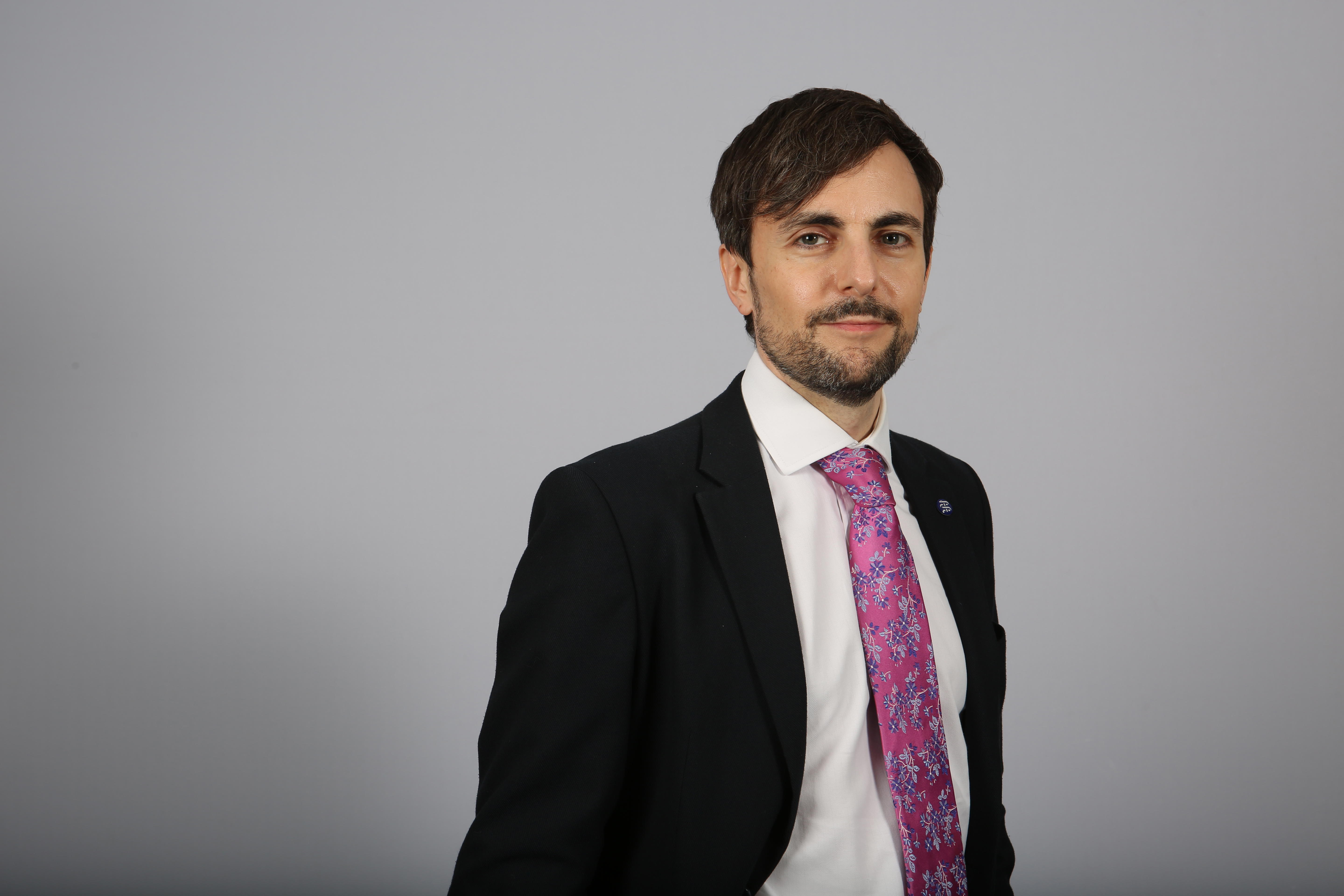 DOLPHIN: Pay offer won’t help retain staff
Dr Dolphin added that with consultants, SAS doctors and GPs in England all currently in dispute with the Government, with consultants, SAS and resident doctors in Northern Ireland set to strike next month, continuing to cut pay would do nothing towards retaining desperately needed medical staff.
He said: ‘It beggars belief that at a time when patients are being treated in hospital corridors and car parks, people are waiting too long for a GP appointment and the Government’s pledge to bring down waiting lists is stalling, ministers are saying doctors deserve a pay cut.
‘Cutting pay is not the way to tell a workforce you value them, and doing so will do nothing to keep doctors in the country and the NHS, working to improve the experience of patients and performance of services.
‘In the short term, when we have groups of doctors in dispute, and with consultants in England having a mandate for strike action, a failure to recognise and value their expertise risks further industrial unrest and disruption. In the long term we lose doctors and the crisis in our NHS deepens. The current project by policymakers and NHS bosses to replace doctors with non-medical staff on the cheap is already risking patient safety.’
He added: ‘The pay review body, the DDRB, will face a test of its independence, and we urge its members to consider what the NHS and patients really need, rather than be hamstrung by a Government telling them it is not prepared to invest properly in the medical workforce.’