
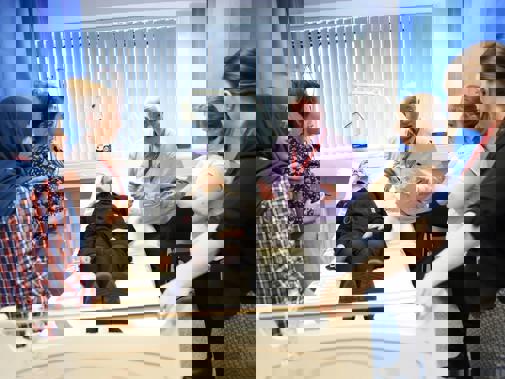
Medical students are being forced to sit on the floor in lecture theatres and pack out anatomy laboratories because of a lack of capacity in medical schools and hospitals, BMA Scotland has warned.
A report, Beyond Capacity, published by BMA Scotland today shows a sharp increase in the number of medical students – without investment in teaching capacity or training posts – is putting educational standards severely at risk and fuelling worries about medical unemployment.
A survey carried out by the BMA Scottish medical students committee reveals 85 per cent of respondents feel there are too many medical students at their universities and 73 per cent say current numbers are not compatible with high-quality medical education and training.
One final-year student reports people had to sit on the floor in lectures, while there were sometimes up to 12 students on a ward in clinical placements.
The report also shows that almost all (99 per cent) were worried about unemployment after their foundation years because of a shortage in specialty training posts.
SMSC chair Joe Payne said that, while Scotland did not currently have enough doctors to meet demand, the answer was not to recruit more medical students without increasing opportunities for training and employment.
‘Since 2015, the number of medical students in Scotland has increased from 3,928 to 6,761, representing a 72 per cent rise,’ he said. ‘Current estimates suggest Scotland now has almost twice as many medical students per head of population as England – but unlike in other UK nations, these increases have largely been absorbed within existing medical schools rather than through the establishment of new institutions and without considering training capacity. This rapid expansion, which was intended to strengthen the workforce, is now instead actively undermining confidence, retention and long-term sustainability.’
Degraded learning
He said concerns have been raised about situations where large groups of students are present for consultations or ward rounds, making patients feel uncomfortable and potentially limiting learning opportunities.
‘At the moment, high-quality education is still being provided and high-quality graduates produced but that does appear to be in spite of the circumstances they train in and not because of them. The system is currently being held together only by the goodwill of academics and doctors, which is being stretched to the limit and cannot last indefinitely.’
Mr Payne said the stresses didn’t stop at graduation. ‘Our survey found anxiety surrounding job security amongst students is exceptionally high. Without plans to expand training jobs or reassess student intakes, this crisis in medical education will only worsen and we must act quickly to protect the education of students and their future prospects. While new legislation to prioritise UK medical graduates for specialty training will certainly help, it will not change the fact that medical student intakes outnumber training jobs by two to one. The choice now facing policymakers is clear: restore balance to the system, or allow erosion of education quality, workforce confidence, and patient care.’
BMA Scotland is calling for an urgent reassessment of student numbers to ensure class sizes support high-quality education, investment in pre-clinical and clinical training capacity, including medical academics, to support students and an alignment of training positions with intake levels.
‘Without urgent action to align student intake with teaching capacity, clinical placements, training posts, and employment opportunities, Scotland is at serious risk of degrading the quality of medical education, worsening workforce attrition, and squandering a major public investment in training future doctors, with the real prospect many will choose to work elsewhere or be forced to leave the profession altogether.’
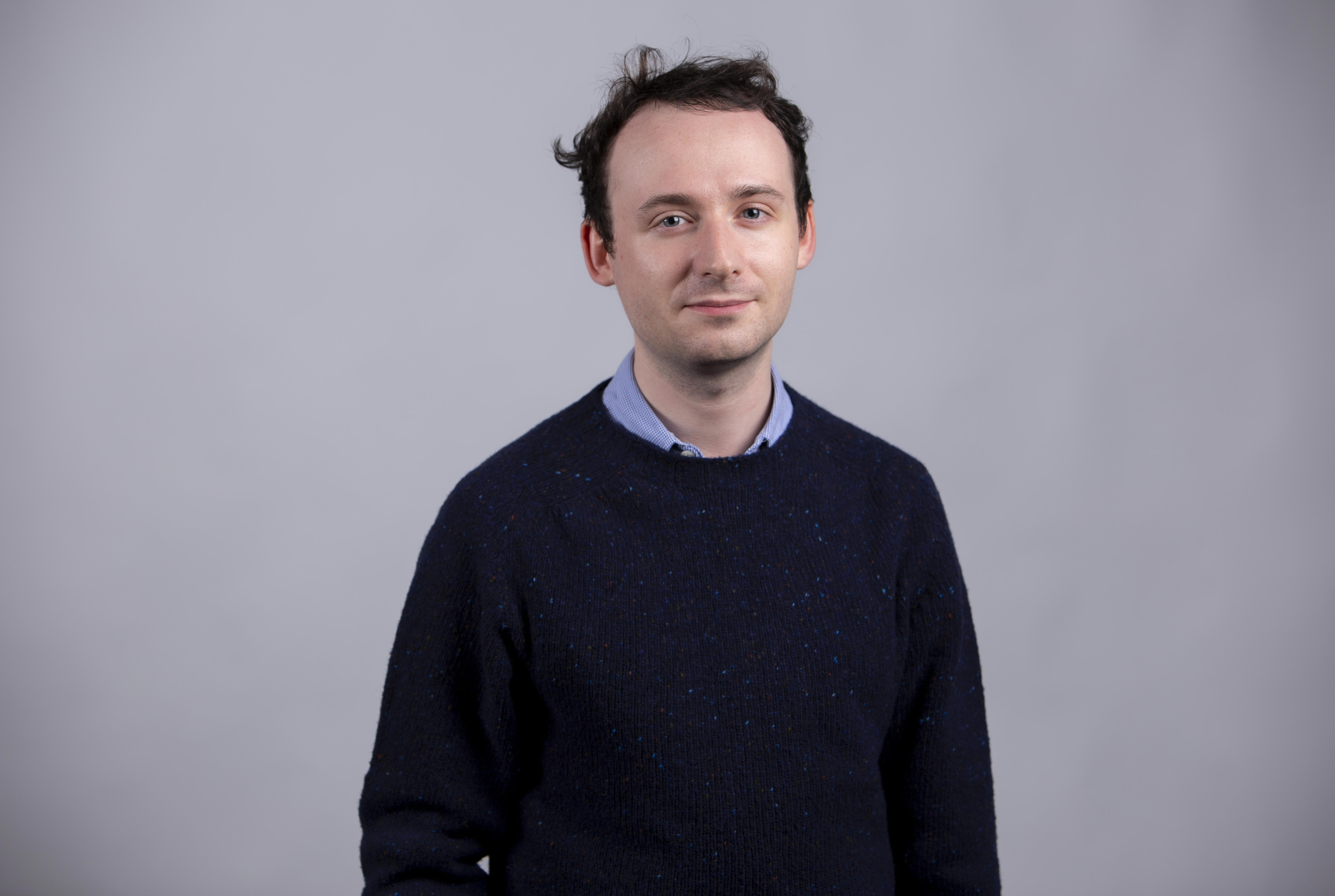 GIBB: Current system not sustainable
Jonathan Gibb, co-chair, of the BMA’s medical academic staff committee, said the report raised important questions about the sustainability behind the rise in medical student places in Scotland that couldn’t be ignored.
‘Despite significant increases in student numbers, the number of doctors working in medical schools (medical academics) across Scotland has remained stagnant over the past two decades due to a lack of funding, threatening the future of doctors being at the forefront of leading the education of tomorrow’s doctors.
‘In this environment, medical academics and clinical educators across Scotland have been working above capacity to ensure graduates are equipped with the high-quality standards required to join the medical profession. However, the report findings clearly highlight that the current system is not sustainable and we need urgent investment in the workforce with alignment across undergraduate and postgraduate training capacity.’